What Can You Hear on a Police Scanner in Your Area?
Short answer: yes in most places, and the safest bet is fire and EMS, because fire traffic is very rarely encrypted anywhere in the country. Police traffic depends on your county, which is why we cover all 3,144 US counties and tell you what is actually receivable at your zip.
The coverage checker
Will a police scanner actually work in your area?
Enter your zip code and we'll tell you what your local police, fire and EMS really broadcast — and whether a scanner can pick it up. We check before you buy, so you never spend money on a radio that can't hear your county.
Don't know your zip? Browse by county →
What you can hear almost anywhere
Fire & rescue
- Structure fires and where crews are responding
- Extrications, water rescues, search operations
- Hazmat and wildfire activity
Fire traffic is very rarely encrypted anywhere in the country.
Weather & emergency alerts
- NOAA weather channels on every scanner we sell
- Severe storm and warning traffic
- Multi-agency disaster coordination
Keeps working when power and cell service do not.
Police & law enforcement
- Patrol dispatch with location and call type
- Traffic stops and accidents
- Multi-unit responses and searches
This is the one that varies. Check your zip above.
EMS & ambulance
- Medical calls as they are assigned
- Major accidents and road impact
- Hospital coordination during incidents
Aviation
- Airport tower and ground control
- Medical and rescue helicopters
- General aviation traffic
Public works & ham radio
- Snowplows, closures, utility crews
- Local repeaters and community nets
- Volunteer emergency preparedness drills
Why police are the variable
Fire, EMS, weather, aviation and amateur repeaters stay open almost everywhere. Whether police come through depends on one thing — which of these three your local agencies run. Only one of them is about the price of your radio.
- Analog FM. Ordinary voice radio. Every scanner receives it, including a hand-programmed handheld. Most rural and mid-size counties still work this way.
- Digital, unencrypted. Usually P25. Not secret, but sent as data, so it needs a digital-capable scanner. If it is also trunked, it needs a trunk-tracking scanner.
- Encrypted. Scrambled with a key only the agency holds. No consumer scanner decodes it at any price. Spending more does not solve it.
Why people actually tune in
To know what is happening nearby. Sirens two streets over stop being a mystery.
To be prepared. Weather and emergency information that does not depend on cell service.
Because it is genuinely interesting. A scanner is a live, unfiltered window into how a city runs.
Police scanner coverage by state
How much of each state still broadcasts police on ordinary analog radio — the signal a standard scanner hears. Choose a state to jump straight to its county list and check your exact county.
Alabama
Check AL →Mostly open — the majority of Alabama's counties are receivable on a standard analog scanner.
Alaska
Check AK →A real mix — roughly half of Alaska's counties are still analog-receivable; the rest run digital. Watch out: some agencies encrypt (about 28% of counties).
Arizona
Check AZ →Mostly digital — most of Arizona runs P25/digital trunking; a P25-capable scanner is required.
Arkansas
Check AR →A real mix — roughly half of Arkansas's counties are still analog-receivable; the rest run digital.
California
Check CA →Mostly open — the majority of California's counties are receivable on a standard analog scanner.
Colorado
Check CO →Mostly digital — most of Colorado runs P25/digital trunking; a P25-capable scanner is required.
Connecticut
Check CT →Mostly digital — most of Connecticut runs P25/digital trunking; a P25-capable scanner is required. Watch out: some agencies encrypt (about 12% of counties).
Delaware
Check DE →Mostly digital — most of Delaware runs P25/digital trunking; a P25-capable scanner is required.
District of Columbia
Check DC →Mostly digital — most of District of Columbia runs P25/digital trunking; a P25-capable scanner is required.
Florida
Check FL →Mixed coverage across Florida — check your exact county below.
Georgia
Check GA →Mostly open — the majority of Georgia's counties are receivable on a standard analog scanner.
Hawaii
Check HI →Mostly open — the majority of Hawaii's counties are receivable on a standard analog scanner.
Idaho
Check ID →Mostly open — the majority of Idaho's counties are receivable on a standard analog scanner.
Illinois
Check IL →A real mix — roughly half of Illinois's counties are still analog-receivable; the rest run digital.
Indiana
Check IN →A real mix — roughly half of Indiana's counties are still analog-receivable; the rest run digital.
Iowa
Check IA →A real mix — roughly half of Iowa's counties are still analog-receivable; the rest run digital.
Kansas
Check KS →A real mix — roughly half of Kansas's counties are still analog-receivable; the rest run digital.
Kentucky
Check KY →Mostly open — the majority of Kentucky's counties are receivable on a standard analog scanner.
Louisiana
Check LA →A real mix — roughly half of Louisiana's counties are still analog-receivable; the rest run digital.
Maine
Check ME →Mostly open — the majority of Maine's counties are receivable on a standard analog scanner.
Maryland
Check MD →Mixed coverage across Maryland — check your exact county below.
Massachusetts
Check MA →Heavily digital — much of Massachusetts runs P25/digital trunking; check your exact county below. Watch out: some agencies encrypt (about 14% of counties).
Michigan
Check MI →Mixed coverage across Michigan — check your exact county below.
Minnesota
Check MN →Mixed coverage across Minnesota — check your exact county below.
Mississippi
Check MS →Heavily digital — much of Mississippi runs P25/digital trunking; check your exact county below.
Missouri
Check MO →Mostly digital — most of Missouri runs P25/digital trunking; a P25-capable scanner is required.
Montana
Check MT →Mostly open — the majority of Montana's counties are receivable on a standard analog scanner.
Nebraska
Check NE →Mostly open — the majority of Nebraska's counties are receivable on a standard analog scanner.
Nevada
Check NV →Mostly open — the majority of Nevada's counties are receivable on a standard analog scanner. Watch out: some agencies encrypt (about 12% of counties).
New Hampshire
Check NH →Mostly digital — most of New Hampshire runs P25/digital trunking; a P25-capable scanner is required.
New Jersey
Check NJ →Mostly digital — most of New Jersey runs P25/digital trunking; a P25-capable scanner is required.
New Mexico
Check NM →Mostly open — the majority of New Mexico's counties are receivable on a standard analog scanner.
New York
Check NY →Mixed coverage across New York — check your exact county below. Watch out: some agencies encrypt (about 11% of counties).
North Carolina
Check NC →A real mix — roughly half of North Carolina's counties are still analog-receivable; the rest run digital.
North Dakota
Check ND →Mostly open — the majority of North Dakota's counties are receivable on a standard analog scanner.
Ohio
Check OH →A real mix — roughly half of Ohio's counties are still analog-receivable; the rest run digital.
Oklahoma
Check OK →A real mix — roughly half of Oklahoma's counties are still analog-receivable; the rest run digital.
Oregon
Check OR →Mostly open — the majority of Oregon's counties are receivable on a standard analog scanner.
Pennsylvania
Check PA →A real mix — roughly half of Pennsylvania's counties are still analog-receivable; the rest run digital.
Rhode Island
Check RI →Mostly open — the majority of Rhode Island's counties are receivable on a standard analog scanner.
South Carolina
Check SC →Mostly digital — most of South Carolina runs P25/digital trunking; a P25-capable scanner is required.
South Dakota
Check SD →A real mix — roughly half of South Dakota's counties are still analog-receivable; the rest run digital.
Tennessee
Check TN →A real mix — roughly half of Tennessee's counties are still analog-receivable; the rest run digital.
Texas
Check TX →A real mix — roughly half of Texas's counties are still analog-receivable; the rest run digital.
Utah
Check UT →Mostly open — the majority of Utah's counties are receivable on a standard analog scanner.
Vermont
Check VT →Mostly open — the majority of Vermont's counties are receivable on a standard analog scanner. Watch out: some agencies encrypt (about 14% of counties).
Virginia
Check VA →A real mix — roughly half of Virginia's counties are still analog-receivable; the rest run digital.
Washington
Check WA →Mostly open — the majority of Washington's counties are receivable on a standard analog scanner.
West Virginia
Check WV →A real mix — roughly half of West Virginia's counties are still analog-receivable; the rest run digital.
Wisconsin
Check WI →Mostly open — the majority of Wisconsin's counties are receivable on a standard analog scanner.
Wyoming
Check WY →Mostly digital — most of Wyoming runs P25/digital trunking; a P25-capable scanner is required.
The honest caveat
In many large metros, police have moved to encrypted or digital P25 systems that no analog scanner can receive at any price. Fire, EMS, weather and aviation remain accessible almost everywhere.
That is why we check before you buy. Run your zip code above, or send it to us and we will look up your specific agencies by hand — we would rather lose the sale than ship a radio that cannot hear your county.
Common questions
How do I find out what police frequencies are used in my area?
Do I need a license or any technical skill?
Would a more expensive scanner fix a red result?
Do scanner apps get around this?
What if my area comes back mostly red?
Will I understand what they are saying?
Is it legal?
Use scanners responsibly and follow the rules in your state. Never interfere with emergency services.

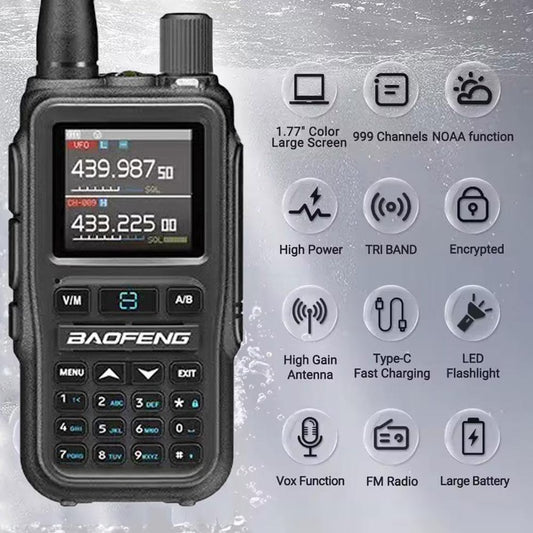
Baofeng UV-5R Mini
Our favorite everyday pick — tiny, dual-band, pre-programmed to your zip code.

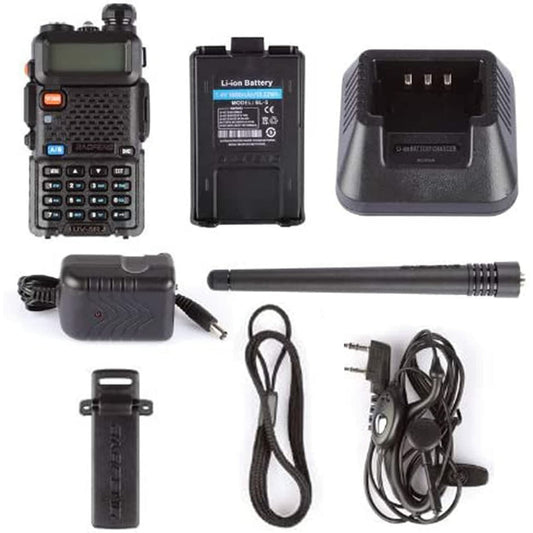
Baofeng UV-5R (Black)
The classic entry point — reliable dual-band scanning at the best price.

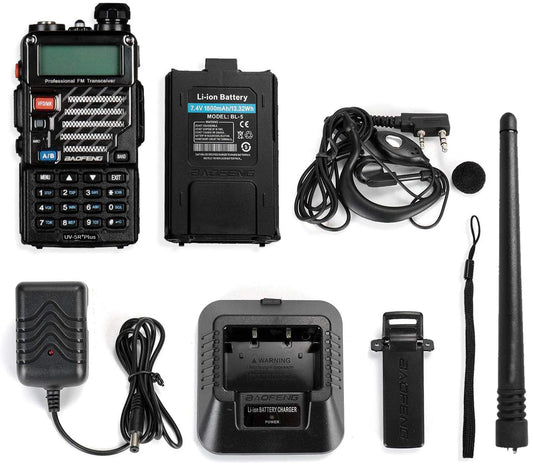
Baofeng UV-5R Plus
More memory, more features — the value pick with extra headroom.

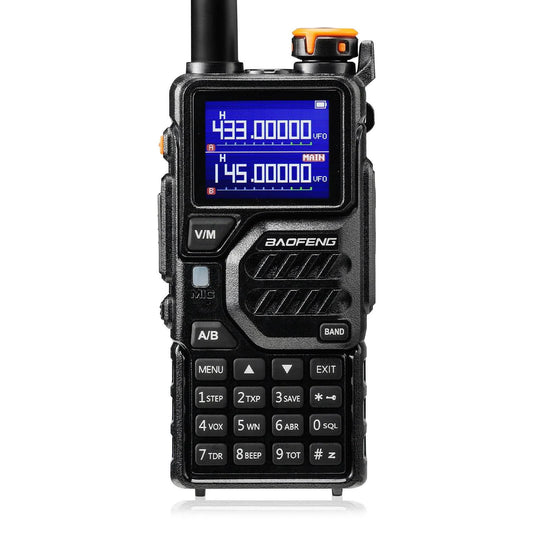
Baofeng K5 Plus Tri-Band
Tri-band coverage and 128 channels for serious listeners.
- ✓ Free US shipping
- ✓ Programmed to your ZIP
- ✓ Lifetime support
- ✓ 30-day returns
Latest Scanner News
Real-time public safety radio updates from PoliceRadio.org
- Aug 15, 2026 Scanner Listeners Help Rescue 3 Kidnapped Kids in Harris County
- Aug 15, 2026 Skagit County Police Radio: Partial Encryption, Dispatch Still Open
- Aug 11, 2026 Polk County Sheriff Releases K-9 Shooting Dispatch Audio
- Aug 11, 2026 Boone County 911 Plans P25 Encryption: Columbia MO Scanners Go Dark
More places we cover
Scanners We Program For Your Area
-
Baofeng UV-5R Plus Police Scanner – Black or Blue, Programmed to Your Zip Code
Regular price $65.49 USDRegular priceUnit price per -
Baofeng UV-5R Mini Police Scanner – Custom Programmed to Your Zip Code
Regular price $59.95 USDRegular priceUnit price per -
Baofeng K5 Plus Tri-Band Police Scanner – Custom Programmed, 128 Channels
Regular price $116.50 USDRegular priceUnit price per -
Baofeng UV-5R Police Scanner (Black) – Programmed to Your Zip Code
Regular price $59.50 USDRegular priceUnit price per