Police Scanner Codes: 10-Codes & Signal Codes Explained
Police scanner codes are shorthand that dispatchers and officers use to communicate quickly over radio. The best known are the 10-codes — "10-4" for acknowledged, "10-20" for location. The thing most new listeners are surprised by: codes are not standardized nationally. The same number can mean different things two counties apart, and many agencies have dropped codes entirely in favor of plain English.
The most common 10-codes
These are the widely used ones. Treat them as a starting point, not gospel — your local agency may differ.
-
10-4 — Acknowledged / understood
-
10-6 — Busy, stand by
-
10-7 — Out of service
-
10-8 — In service, available
-
10-9 — Repeat last transmission
-
10-20 — Location ("what's your 20?")
-
10-27 — Driver's license check
-
10-28 — Vehicle registration check
-
10-29 — Check for wants and warrants
-
10-33 — Emergency traffic, clear the channel
-
10-50 — Traffic accident
-
10-97 — Arrived on scene
-
10-98 — Assignment complete
Codes like 10-13 and 10-32 vary enough between agencies that it is not worth memorizing a single meaning for them.
Why the codes on your scanner may not match this list
-
There is no national standard. APCO published a recommended set decades ago, but agencies adapted it locally, so meanings drifted.
-
Plain language is replacing codes. Federal interoperability guidance pushed agencies toward plain English so mutual-aid responders from different jurisdictions could understand each other. Many departments now simply say "traffic accident."
-
Some agencies use different systems entirely. Signal codes ("Signal 7") or hundred-codes may be used alongside or instead of 10-codes.
Common "Code" calls
-
Code 1 — Routine response, no urgency
-
Code 2 — Urgent, but no lights or siren
-
Code 3 — Emergency response, lights and siren
-
Code 4 — No further assistance needed, scene under control
Code 3 and Code 4 are the two most useful for a casual listener. Code 3 means something is actually happening. Code 4 means it is over.
The phonetic alphabet
You will hear letters spelled out constantly, usually when running plates or names. Most US agencies use the NATO alphabet: Alpha, Bravo, Charlie, Delta, Echo, Foxtrot, Golf, Hotel, India, Juliett, Kilo, Lima, Mike, November, Oscar, Papa, Quebec, Romeo, Sierra, Tango, Uniform, Victor, Whiskey, X-ray, Yankee, Zulu.
How to learn your local codes
-
Listen for context. Hear a code, then hear what happens next. Patterns emerge within a week.
-
Note the repeats. Any agency uses maybe fifteen codes for most of its traffic. Learn those and you understand nearly everything.
-
Check whether your agency publishes its list. Some do.
-
Do not over-study. If your department uses plain language, there is nothing to memorize at all.
Frequently asked
What does 10-4 mean? Acknowledged, message received. The most universally consistent code in the country.
What does Code 3 mean? Emergency response with lights and siren.
Are 10-codes the same everywhere? No. There is no national standard, and many agencies have moved to plain English.
Do I need to memorize codes to enjoy a scanner? No. Most modern dispatch is understandable without any code knowledge.
Hear it for yourself
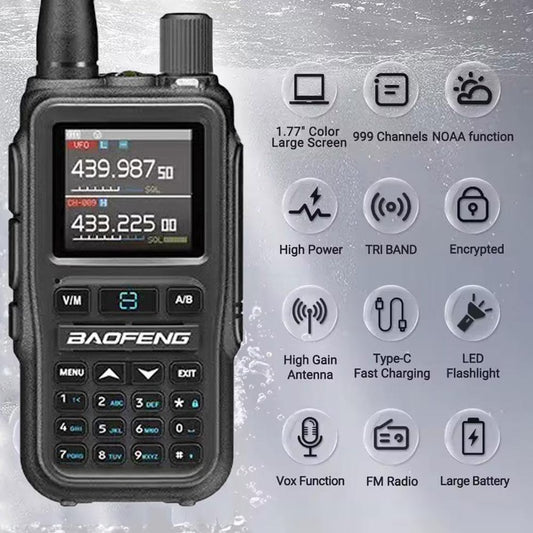
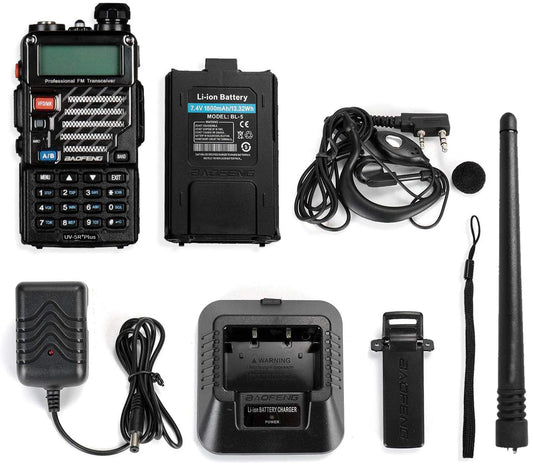
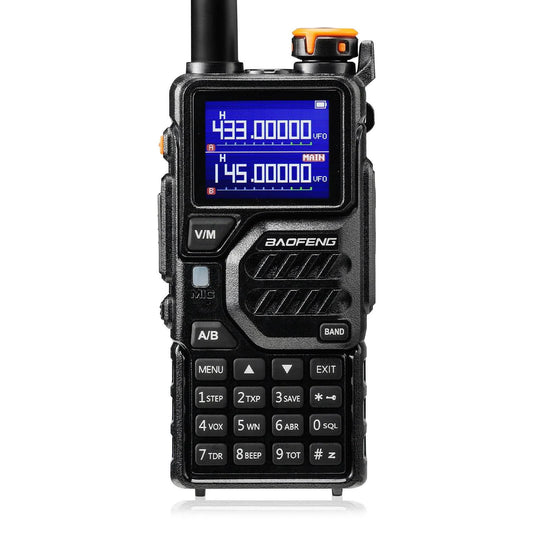
Our scanners arrive programmed to your zip code, so you can start listening to your own local agencies without any setup. Send us your zip code and we'll tell you what's receivable in your area first.
Shop pre-programmed scanners → | What can I hear? → | Are scanners legal? →